Floating vs. Freestanding Shelving for Plant Displays: Which Is Right for Your Home?
Two shelves can hold the same number of pots and still be completely different propositions. One is drilled into a wall and becomes part of the room; the other stands on the floor and can be moved, sold, or taken to the next flat. Plants sharpen the decision more than most decor does, because a collection of pots is heavier than it looks, needs light, and has a habit of growing.
Here is how the two options compare on the things that matter: how much they carry, how kind they are to a rented home, what they cost, and how they shape a room.
Weight Capacity: Where the Real Differences Lie
A floating shelf hides its bracket inside the board or behind the plaster, which looks wonderful and hides the engineering. All the load goes into the wall: the shelf, the bracket, the fixings, and the material behind them. Capacity is decided less by the shelf than by what you are drilling into.
Plasterboard alone will not hold a heavy pot unless you use a cavity fixing rated for that load. Timber studs are far better, and brick or block walls with proper plugs and screws will take more again. If you are unsure what sits behind the paint, a stud finder and a few test holes in a hidden spot will tell you more than any product description.
Freestanding units put the weight on the floor instead, so the limit becomes the frame itself and the risk of tipping. A tall, narrow ladder shelf loaded with heavy pots near the top is a genuine hazard, especially in a hallway where a shoulder might catch it. Keep the heaviest plants on the bottom, spread weight evenly, and anchor tall units to the wall where you can. Anti-tip straps cost very little and take ten minutes to fit.
A quick way to judge the load
Weigh the reality before you buy. Pop the potted plant on bathroom scales, saucer included, then picture that weight multiplied across the shelf. Water adds to it, and so does compost after a good soak. Once you have a total, compare it with the shelf's stated capacity and leave a margin, because shelves are rated for even distribution, not for one heavy pot in the middle and nothing else.
Rentals, Deposits and Making Good
This is usually the deciding factor, so check your tenancy agreement before you pick up a drill. Some agreements restrict fixings; others allow them provided you make good afterwards. Either way, you are the one filling, sanding, and repainting, and matching a landlord's magnolia is rarely as easy as it sounds.
Freestanding shelving avoids the whole conversation. Nothing to fill, nothing to repaint, nothing to explain at an inspection. It also travels with you, which matters if you expect to move within a couple of years.
If you want the floating look in a rental, there are middle paths:
- Leaning or ladder shelves that rest against the wall, with a strap at the top.
- Deep window ledges and alcoves used as they are, with trays to protect the surface.
- Rent-friendly adhesive fixings for small, lightweight plants only, such as trailing cuttings in small pots.
- Slim freestanding units, which read almost as cleanly as a wall shelf.
Whatever you choose, put a saucer or tray under every pot. Water rings and drips are the damage that actually costs money.
What You'll Spend, and Where the Money Goes
Floating shelves are usually cheaper per shelf, but the ticket price is only part of it. You need fixings suited to your wall, a drill and bits, a level, and possibly a joiner or handyperson if the wall is awkward. Cheap shelves with weak brackets are false economy once plants are involved.
Freestanding units cost more upfront for the same display space, because you are buying a whole frame rather than a board. In return you get something you can move, restyle, and resell. Second-hand étagères, cube units, and plant stands turn up regularly, and are often sturdier than new flat-pack equivalents.
Two hidden costs are worth weighing: repairs if you leave a rental, and replacement if a shelf fails and takes a pot with it. Both point the same way.
Buy for the load, not for the photograph.
Style and Light
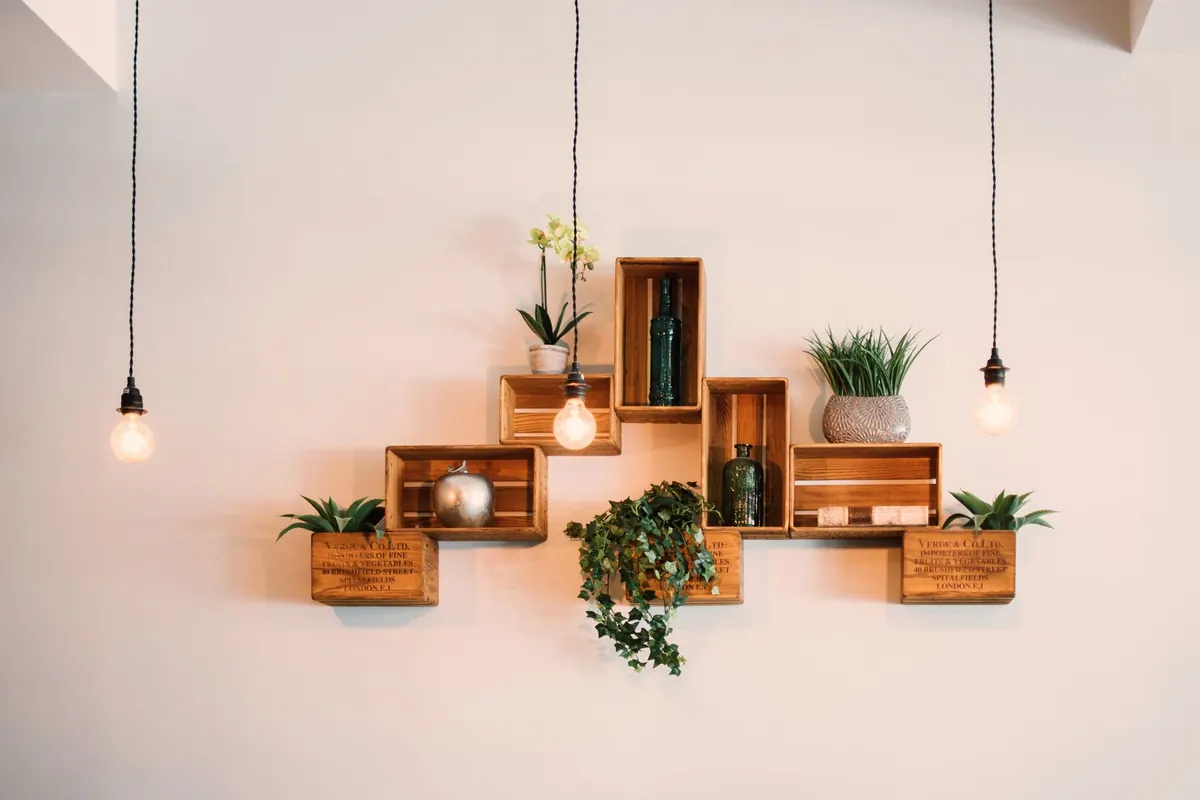
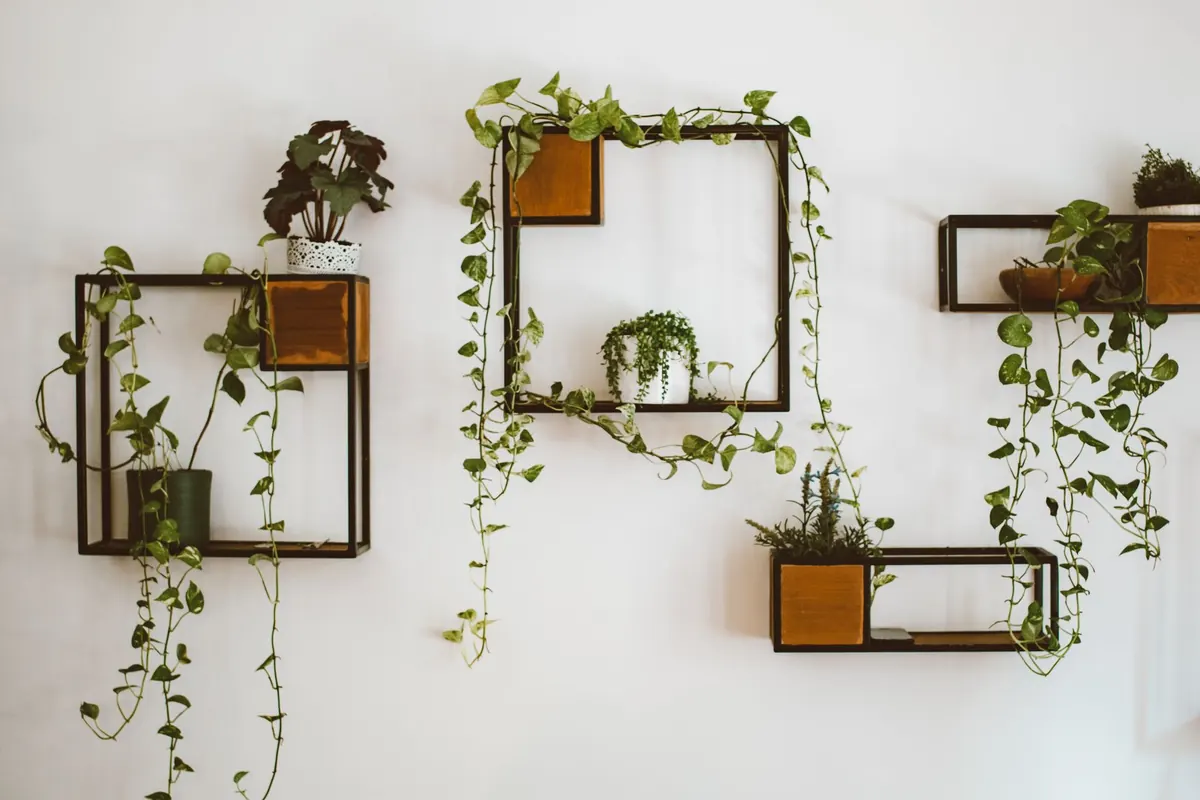
Floating shelves keep the floor clear and let the wall do the work. They suit small rooms, narrow hallways, and modern interiors, and they are generous with light because plants sit at different heights, each getting a turn near the window. The trade-off is commitment: once they are up, they are up.
Freestanding units bring more presence. A tall open frame can divide a living space, frame a sofa, or turn a dull corner into a green column. They are also flexible in a way wall shelves are not. Move the unit nearer a brighter window in winter, shift it out of a draught, or rotate the whole display when a plant outgrows its spot.
Mixing Both, Room by Room
You do not have to pick a side. A combination that works well in most homes is floating shelves for the light, trailing plants in a bright room, plus one freestanding unit for the heavy pots and anything you want at eye level or below.
- Measure the wall and note where the studs are before buying anything.
- Group plants by weight, then by light needs.
- Put the heaviest on the floor or a low freestanding shelf.
- Reserve wall shelves for pots you can lift comfortably with one hand.
- Leave one empty spot on every shelf so plants have room to grow into it.
A Sensible Way to Decide
If you rent, expect to move, or your collection is still growing, freestanding is the safer and more flexible answer, and the one that will still fit a different room. If you own your home, have solid walls or accessible studs, and want a clean, uncluttered look, floating shelves will reward the extra preparation.
Either way, do the unglamorous bits first: check the wall or the frame, weigh the pots, protect the surfaces, and anchor anything tall. Then spend your time on the part that made you want a plant display in the first place, which is choosing where everything goes and watching it fill in.
Photo: ROMAN ODINTSOV / Pexels