Terracotta vs. Ceramic Planters: Which Is Better for Indoor Plants?
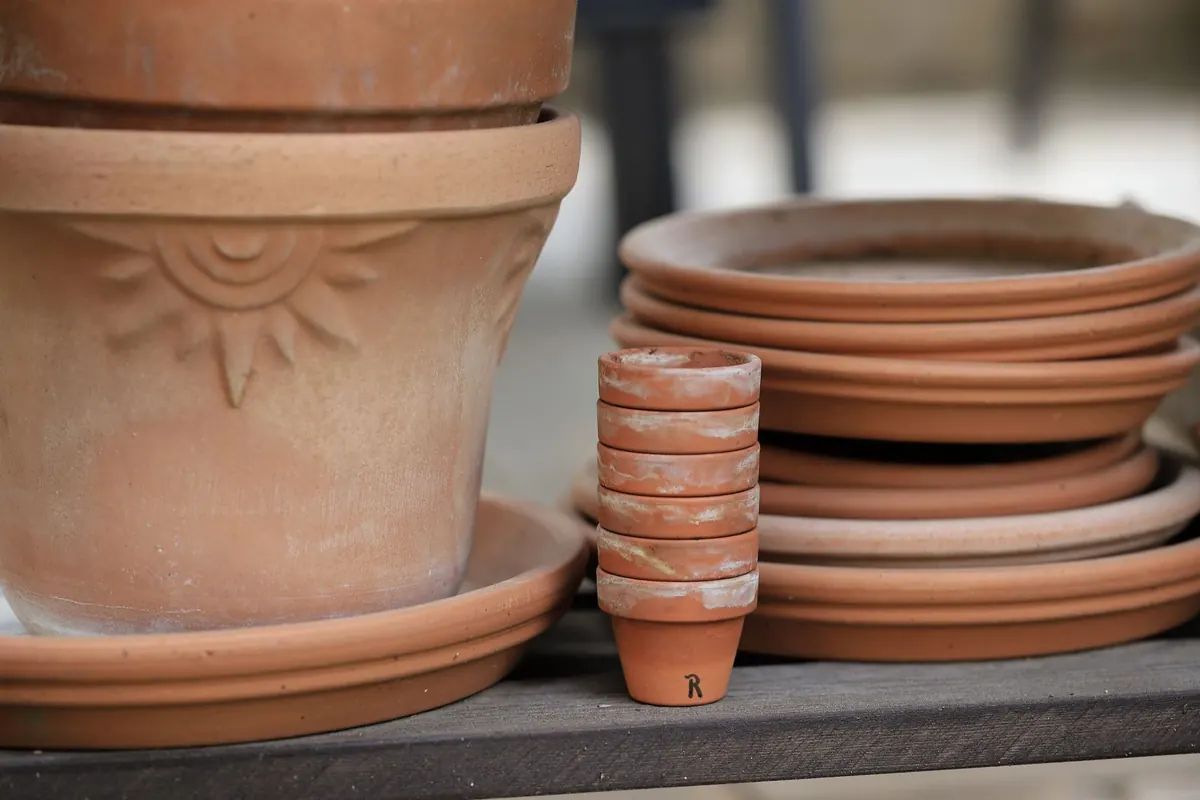
There is a moment in every plant shop when you stand holding a pot in one hand and a plant in the other, wondering which one the plant would choose. Terracotta looks honest and plain. Glazed ceramic looks glossy and, frankly, a bit smarter. The plant, as ever, has its own opinion, and that opinion is almost entirely about water.
The real difference is how each pot handles water
Strictly speaking, terracotta is ceramic too. It is fired clay, the same family as the glazed pot beside it, just left unsealed. That missing glaze is the whole story.
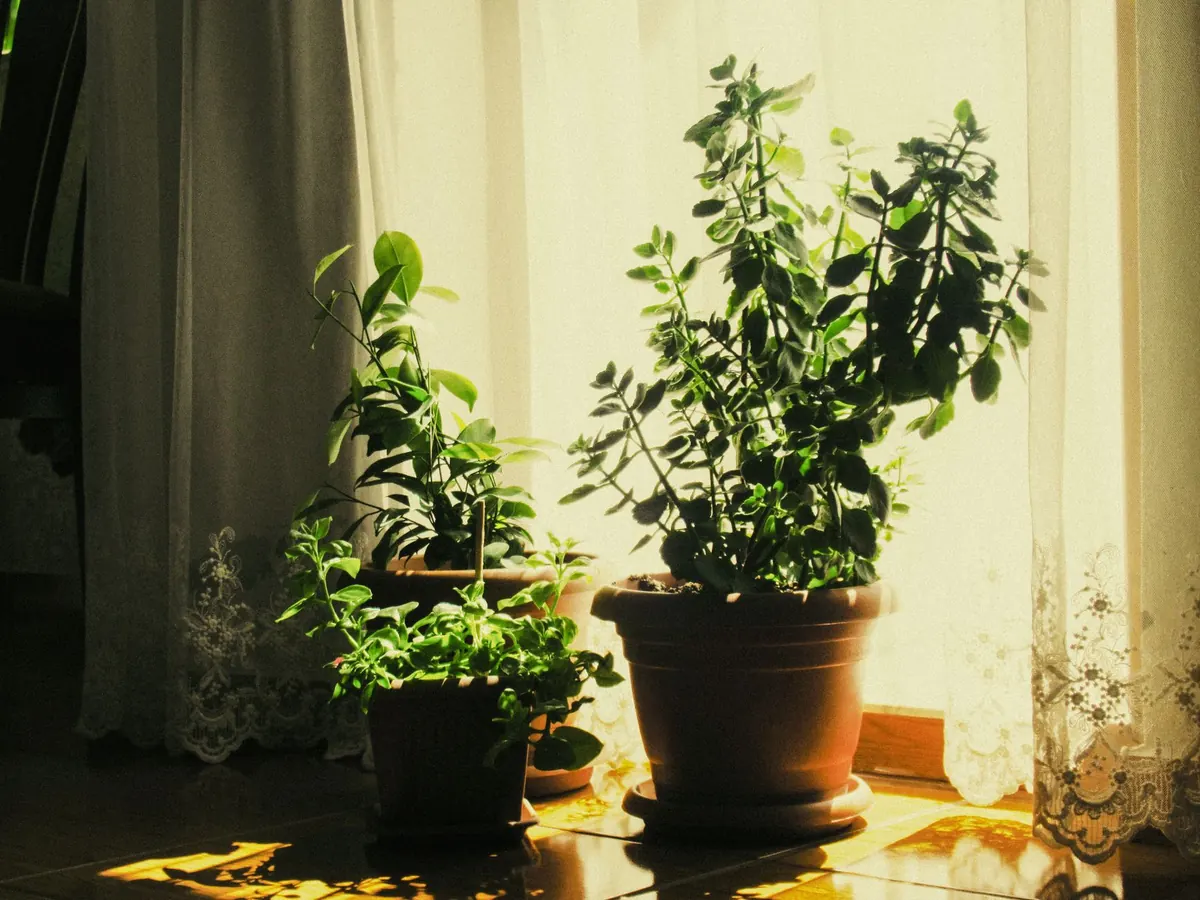
Unglazed terracotta is porous. Water moves through the walls of the pot, reaches the outer surface and evaporates into the room. The soil dries from the sides as well as the top, which means you water more often and root rot becomes much harder to cause. You will also notice a pale, chalky bloom appearing on the outside over time. That is lime and mineral salts from your tap water being drawn through the clay. It is harmless, and a scrub with warm water and a little white vinegar will lift it if you dislike the look.
Glazed ceramic is sealed. Water stays where you put it, so the compost holds moisture for longer and the exterior stays clean and dry. That is a kindness to ferns and calatheas, and a trap for anything that sulks in wet feet.
Weight, balance and where the pot lives
Glazed ceramic is generally the heavier of the two, and that weight earns its keep. A tall rubber plant, a top-heavy monstera or a broad ficus in a glazed pot is far less likely to topple when someone brushes past it. The trade-off is placement. Heavy pots do not belong on floating shelves, thin glass tabletops or flimsy plant stands, no matter how good they look there.
Terracotta is lighter in small sizes, but do not be fooled by a large one. A 25cm terracotta pot full of damp compost weighs a good deal more than the empty pot suggests, and it is also brittle. If you are lifting pots onto high shelves or moving them between rooms with the seasons, smaller terracotta is easier on your back.
Whichever you choose, check two things before buying: does the pot have a drainage hole, and does it come with a saucer? A pot without drainage is a cachepot, not a planter. Keep the plant in its nursery pot, slip it inside, and tip out any water that collects in the bottom.
Durability and how each one ages
Both materials will last years indoors if you treat them sensibly, but they fail in different ways.
Terracotta chips and cracks. It does not shatter so much as give up quietly at the rim, usually after a knock against a sink or a stone floor. Left outdoors over a frosty winter, a waterlogged terracotta pot can split outright, because freezing water expands inside the clay. Indoors, that risk disappears, and the reward is a material that ages attractively. Scrub it, and it looks almost new.
Glazed ceramic cracks when it is dropped and chips at the edges, and a chip is more obvious because the pale clay beneath shows through the colour. A crack through the glaze is worth retiring the pot for. Water seeps into the body and the finish starts to flake, particularly if the pot goes outside in winter.
Cost matters here too. Terracotta is usually the cheaper option, which makes it easier to buy a matching set or replace one casualty without wincing.
Style: what each material does for a room
Terracotta brings warmth. It is the colour of Mediterranean courtyards and kitchen windowsills full of herbs, and it flatters trailing plants, cacti and anything with silver or grey foliage. A row of identical terracotta pots in different sizes looks deliberate rather than tidy-obsessed. Against pale walls and wooden floors it reads as calm and natural.
Glazed ceramic does the opposite job. It pulls the eye away from the plant and towards colour, which is useful when you want a shelf to match a scheme, or when the plant itself is quiet and green. Smooth glossy finishes suit modern interiors, monochrome rooms and anywhere a bright accent is welcome. One word of warning: a strong glaze can fight with patterned wallpaper, and a small glossy pot can look fussy next to an already busy plant.
Matching the pot to the plant
This is where the choice stops being aesthetic and becomes horticultural. As a rule, use terracotta for plants that want to dry out between waterings, and glazed ceramic for plants that want consistent moisture.
- Terracotta suits: snake plants, ZZ plants, jade plants, haworthia, most cacti and succulents, string of pearls, hoya, rosemary, thyme and oregano.
- Glazed ceramic suits: ferns, calatheas, peace lilies, fittonias, baby's tears, basil and parsley.
- Choose weight for balance: glazed for tall, top-heavy specimens; terracotta for small pots on open shelving.
- Choose terracotta in quantity if you want a collection that looks intentional without spending much.
- Choose glazed ceramic if you want the pot to do the decorating, or if you dislike the mineral bloom.
If you own a plant you keep nearly killing with kindness, that is your signal. Move it into terracotta and let the clay do some of the drying for you.
Buy the pot for the plant's watering needs first, and for the shelf second. The shelf will forgive you; the roots will not.
Choosing well in the shop
Measure the nursery pot before you go, then buy a decorative pot roughly two to three centimetres wider. Going much larger leaves a ring of soggy compost around the roots that dries slowly and invites rot.
Turn the pot over and check the base sits flat without wobbling, and that the drainage hole is wide enough to actually drain rather than clog with compost. Add a saucer under any pot that will stand on wood, because damp terracotta and glazed bases both leave rings.
If you cannot decide, mix them. Use terracotta as the everyday, workhorse pot for thirstier, tougher plants and reserve two or three glazed ceramics for a focal point. Then water each plant by how its own pot behaves, not by a fixed weekly schedule. Check the compost with a finger before you reach for the watering can, and you will get the best out of either material.
Photo: Christina & Peter / Pexels