Pet-Safe Indoor Plants for UK Homes: A Room-by-Room Checklist
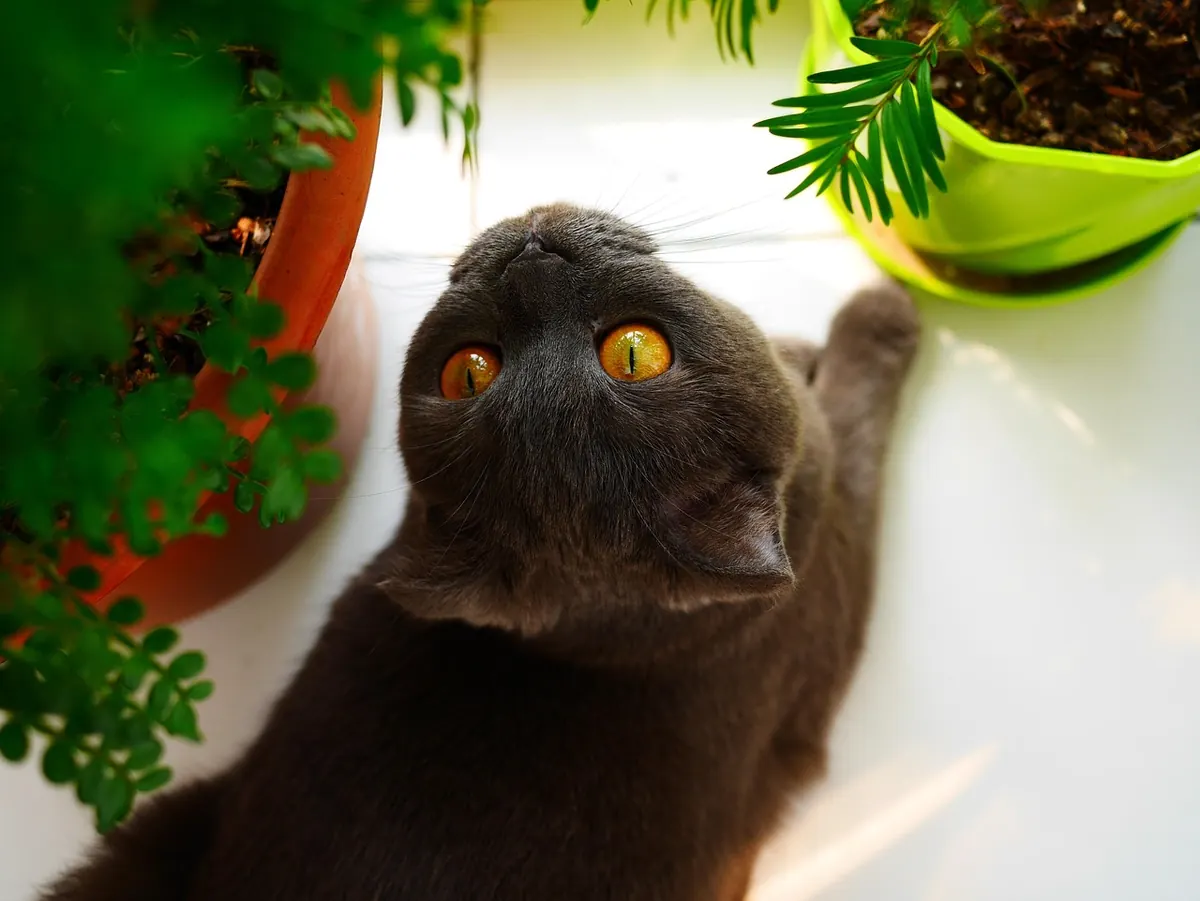
Some plants earn their place by looking good. Others earn it by surviving a cat who chews first and asks questions later, or a dog who treats a low pot as part of the furniture. Pet-safe planting does not mean settling for dull greenery. Palms, ferns, prayer plants and kitchen herbs all hold their own in a well-lit UK room — and none of them will have you reaching for the vet's number.
The sensible approach is room by room: choose plants that suit the light and humidity you actually have, then place them where a curious nose is least likely to reach.
Know the botanical name before you buy
Common names are a trap. "Fern" covers everything from a safe Boston fern to an asparagus fern, which is not a true fern and is best kept out of reach. "Palm" takes in both the harmless parlour palm and the sago palm, which is seriously toxic to dogs and cats. Shop with the botanical name — genus and species — and check it against a reliable list, such as the one the ASPCA maintains for cats, dogs and horses.
At the till, a label reading "pet friendly" is a starting point, not a guarantee. If the full name is not printed on the pot, ask.
Reliable starting points
- Spider plant (Chlorophytum comosum)
- Parlour palm (Chamaedorea elegans) and areca palm (Dypsis lutescens)
- Calathea and prayer plants (Goeppertia, Maranta, Calathea)
- Boston fern (Nephrolepis exaltata) and bird's nest fern (Asplenium nidus)
- Peperomia, Pilea peperomioides, African violet, Phalaenopsis orchid
- Hoya carnosa and Christmas cactus (Schlumbergera)
Living room: height, stability and a little patience
Most houseplants end up here, so think about weight and placement as much as toxicity. A mature areca or parlour palm in a heavy floor pot gives you a green backdrop without offering a chewable stem at nose height. Prayer plants and calatheas bring pattern and colour to a side table; they want bright, indirect light and hate sitting in a draught.
A few small moves make a real difference. Spread a shallow layer of gravel over the compost to discourage digging. Stand pots in saucers so wet compost does not mark a carpet or wooden floor. Keep trailing stems clear of a cat who bats at anything that moves.
Kitchen: herbs on the windowsill
Most herbs you actually cook with are safe around pets: basil, mint, parsley, coriander, thyme and rosemary. A south- or west-facing sill keeps them productive, and turning the pots weekly stops them leaning into the light.
Two cautions. A cat on the worktop will investigate anything within reach, so keep herbs at the back of the sill or on a shelf. And think about scent as well as leaves — concentrated essential oils in diffusers and burners are a different proposition from a living plant, and some, including tea tree, eucalyptus, citrus and peppermint, are best avoided in homes with cats. If you are unsure, ask your vet.
Bedroom and home office: low light, small footprints
North-facing corners suit peperomias, Pilea peperomioides and spider plants. A Phalaenopsis orchid on a chest of drawers adds height without eating floor space, and African violets will flower for much of the year on a modest sill.
Shelves and trailing plants
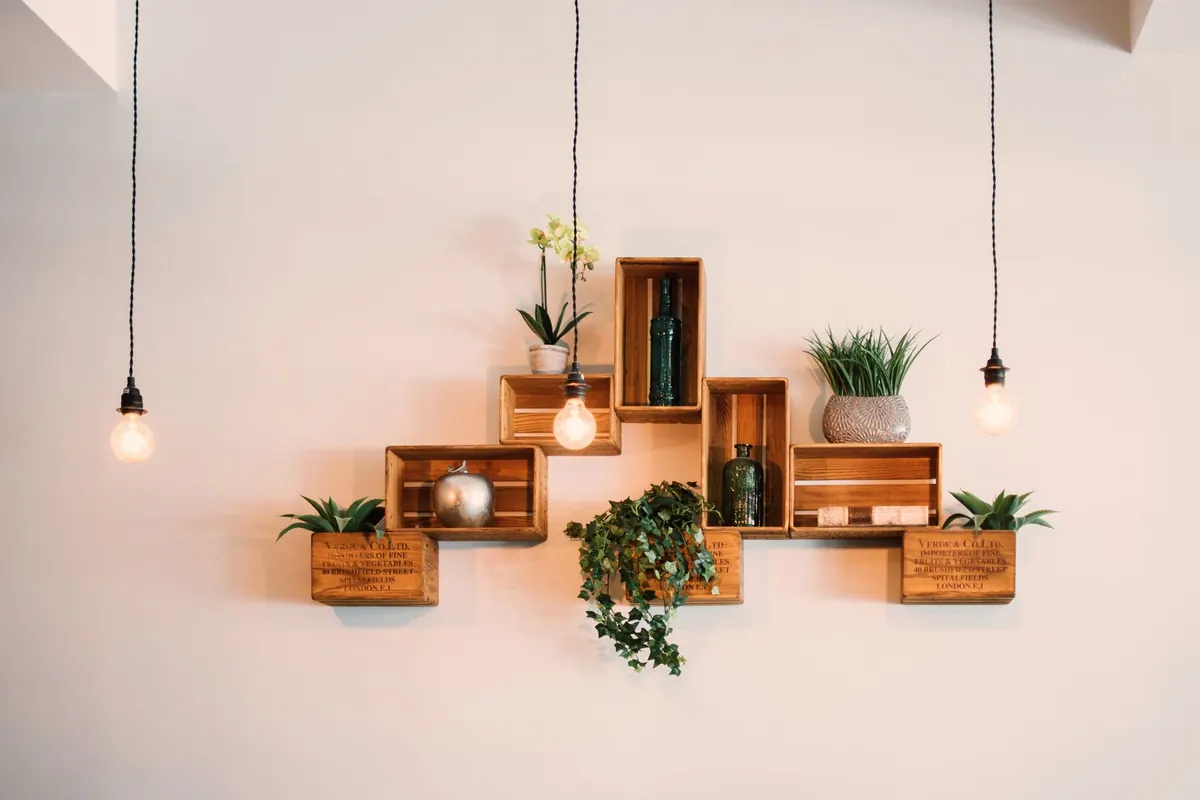
Trailing plants are the ones pets reach for most, so use height deliberately. Put spider plants, hoyas and Pilea on a high shelf or in a hanging pot where stems dangle well above a wagging tail. If a cat can hook a paw over the rim, it will. Water carefully up there, too — a plant that drips onto a keyboard solves nothing.
Bathroom and conservatory: humidity lovers
Bathrooms with a window are ideal for ferns. Boston ferns and bird's nest ferns both enjoy the damp, and staghorn ferns look excellent mounted on a wall where their leaves stay out of reach. A conservatory can take larger palms and a grouped display of calatheas.
Check the light before you buy. A windowless bathroom will not support most of these plants for long, however carefully you water. A small grow light on a timer bridges the gap; if you would rather not, choose a shelf elsewhere.
Plants to avoid, and what to do if something goes wrong
Some of the most popular houseplants are the ones to leave on the shelf. Lilies (Lilium and Hemerocallis) are the stand-out risk in a home with a cat, and that includes cut flowers — pollen and vase water matter as much as the petals.
- Lilies of any kind, including bouquets
- Sago palm
- Monstera, philodendron, pothos, dumb cane
- Aloe vera, snake plant, ZZ plant
- Rubber plant and other Ficus
- Kalanchoe, jade plant, cyclamen, amaryllis, English ivy
Then think about what comes with the plant. Systemic insecticides can make leaves and sap harmful to a pet that chews them, so read the label on anything you use. Slug pellets, cocoa mulch, fertiliser granules and stagnant water in saucers all deserve to be kept out of reach.
If you suspect your pet has eaten something, contact your vet straight away rather than waiting for symptoms, and take the plant or its label with you if you can — the botanical name helps. Even genuinely non-toxic plants can cause a mild stomach upset if eaten in quantity. This is general guidance, not veterinary advice.
Your room-by-room shopping list
- Living room: parlour or areca palm, calathea, prayer plant.
- Kitchen: basil, mint, parsley, coriander.
- Bedroom: peperomia, Pilea, spider plant, Phalaenopsis orchid.
- Bathroom: Boston fern, bird's nest fern.
- Anywhere: check the botanical name before you pay.
One habit worth building: when a new plant comes home, wipe the leaves, check for pests and keep it apart from the rest for a week or two. A healthy, well-placed plant is far less interesting to a bored pet than a struggling one on the floor — and a few sturdy pots, positioned with a bit of thought, will keep both your greenery and your animals out of trouble.
Photo: cat-cheng / Pixabay