Best Indoor Plants for British Homes with Draughty Windows and Radiators
British homes are an odd climate for a houseplant. A south-facing sill can reach thirty degrees behind the glass on a bright April afternoon, then fall to single figures overnight once the heating clicks off. Add a radiator switching on and off beneath the sill and a draught creeping through old sash windows, and you have a spot that would finish off a maidenhair fern inside a fortnight.
Plenty of plants will shrug it off, though. The trick is choosing species that evolved to cope with irregular water and shifting temperatures, then placing them where the extremes are softened rather than magnified. What follows is what to buy, what to avoid, and how to arrange it without turning the front room into a greenhouse.
What actually stresses a plant by a window
Four things do most of the damage, and they tend to arrive together.
Temperature swings. Most houseplants sold in the UK are tropical understorey plants. They cope with a steady eighteen to twenty-four degrees far better than with a blast of hot air followed by a cold night.
Dry air. A radiator does not just warm a room, it lowers the relative humidity around it. Leaves lose water faster than the roots can replace it, which is why tips brown and edges crisp.
Cold draughts. A draught is worse than general cold, because it chills the compost in the pot. Chill plus damp compost is the classic route to root rot.
Light. Windows are the brightest spot in most homes, which is usually a good thing — but summer sun through glass can scorch leaves that would be perfectly happy a metre back.
The reliable ones: plants that cope with swings and dry air
These are the plants worth putting on a sill above a radiator or beside a draughty sash window. They will not look immaculate all year, but they will survive and grow.
- Snake plant (Dracaena trifasciata) — thick, leathery leaves that store water, so dry air and a missed fortnight of watering barely register. It handles low light and cooler rooms; what it hates is a soggy pot in a cold room.
- ZZ plant (Zamioculcas zamiifolia) — waxy leaves and fat underground rhizomes make it one of the most drought-tolerant plants on the shelf. Water it, then let it dry out properly.
- Cast iron plant (Aspidistra elatior) — the Victorians filled shady hallways with it for good reason. It tolerates draughts, dim corners and general neglect.
- Spider plant (Chlorophytum comosum) — quick-growing and forgiving. Dry air will brown the leaf tips; rainwater or filtered water reduces that noticeably.
- Devil's ivy (Epipremnum aureum) — a trailing plant that copes with almost any position other than deep shade or full sun. Pinch out the growing tips to keep it bushy.
- Rubber plant (Ficus elastica) — thick leaves that shrug off dry air, provided it gets bright, indirect light and stays clear of cold draughts. Dust the leaves now and then so it can breathe.
- Chinese evergreen (Aglaonema) — happy in lower light and drier air than most foliage plants. The patterned cultivars are worth seeking out.
- Ponytail palm (Beaucarnea recurvata) — a bulbous trunk that stores water, so it suits a bright, dry sill. Treat it like a succulent.
- Aloe and other succulents — dry air is exactly what they want. Cold, wet compost is what kills them, so keep them on the dry side from October onwards.
Plants that sulk near radiators and draughty glass
None of these are bad plants. They simply want steadier conditions than a British windowsill in February provides, and it is kinder to move them than to watch them decline.
- Maidenhair and most delicate ferns, which crisp at the first hint of dry air
- Calatheas and prayer plants, which brown at the edges and curl when humidity drops
- Peace lilies and fittonias, which recover from a dry spell but rarely look their best
- African violets, which dislike cold water, cold glass and dry warmth all at once
- Most flowering begonias and thin-leaved tropicals sitting directly above a radiator
If you already own one of these, move it a metre or two back from the radiator, group it with other plants, and consider a small humidifier for the room. That is a far better fix than misting, which lifts humidity for minutes rather than hours.
Placement: getting the distance right
Position matters more than most plant labels admit. A few rules cover the majority of British rooms.
The sill directly above a radiator
This is the hottest, driest spot in the house. Warm air rises straight into the leaves while the compost dries from below as well as above. Either move the plant to a side table or a shelf beside the window, or choose one of the tough plants above and accept that you will check it weekly.
Draughty windows and cold glass
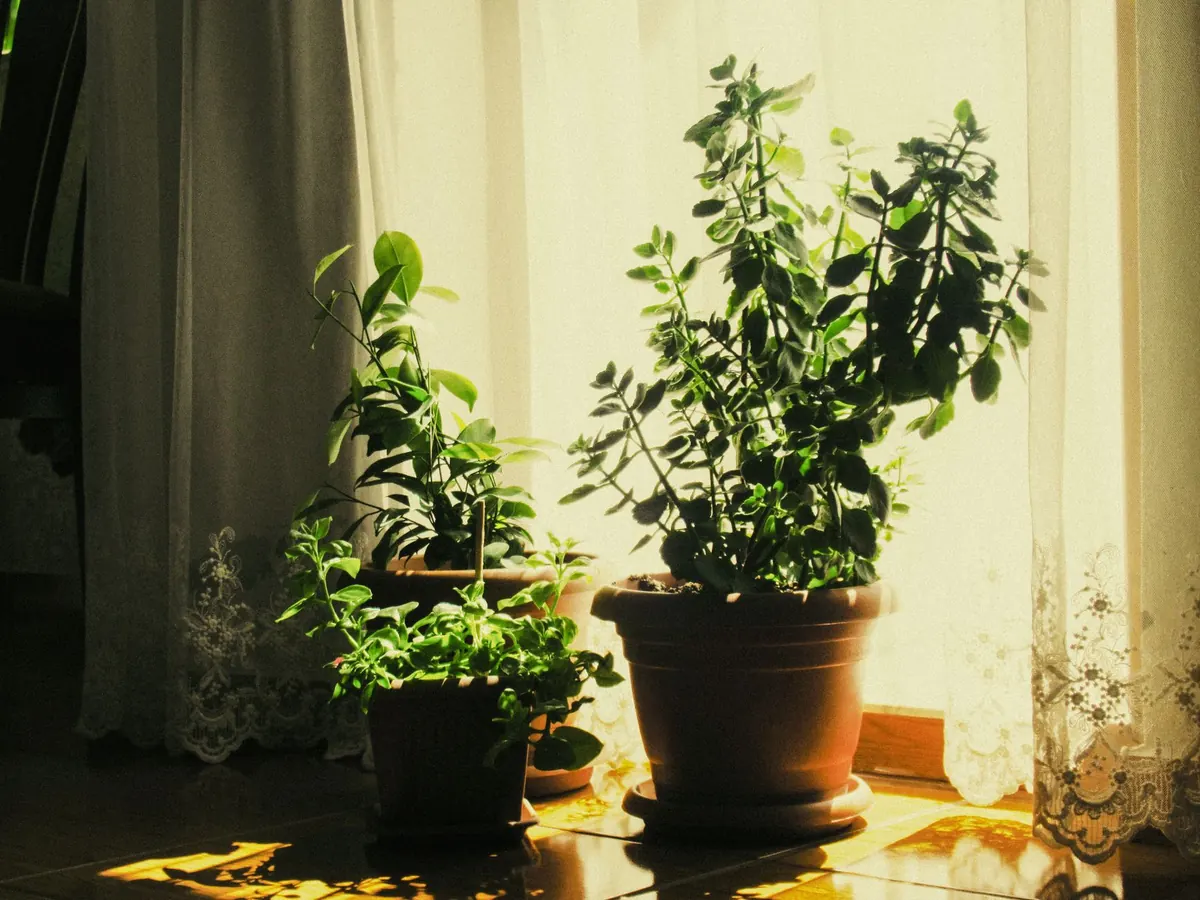
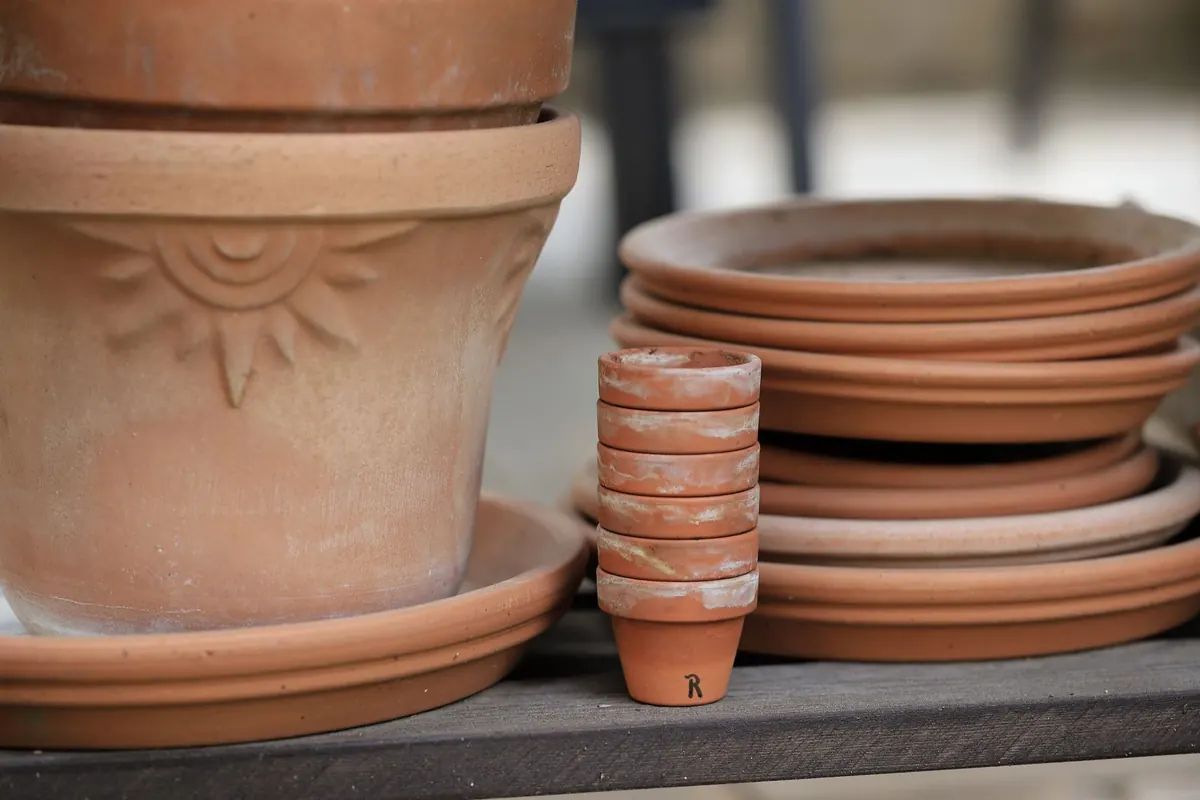
Single-glazed sashes and older casements leak cold air. Leaves touching the glass can develop brown patches in winter. Lift pots a few centimetres off the sill with a trivet, wooden block or plant stand, and close curtains or blinds at dusk so nothing is trapped between fabric and freezing glass.
Light without the bake
Most of the plants here want bright, indirect light. East and west sills are usually ideal. A south-facing sill is fine from autumn to early spring but needs a sheer curtain or a spot slightly back from the glass in high summer. North-facing rooms suit snake plants, cast iron plants and Chinese evergreens.
Watering when the air is dry
Dry air and warm compost can fool you into watering more than the plant needs. Check before you pour: push a finger two or three centimetres into the compost, or lift the pot and judge the weight. If it still feels heavy, wait.
In winter, when radiators are running and light is low, most of these plants want considerably less water than in summer — often half as much, sometimes less. Empty the saucer ten minutes after watering so the roots are not sitting in water, and water in the morning so any splashes dry before the cooler night.
To raise humidity without a humidifier, group several pots together so they share a pocket of moist air, and stand pots on a tray of pebbles with the water kept below the pebble line.
Adjusting through the year
Think of your window as a spot that shifts with the seasons rather than a fixed position. In summer, pull plants back from south-facing glass and water more often. In winter, move them closer to the window for light but away from radiators and cold panes. Rotate each pot a quarter turn every week or two so it grows evenly instead of leaning towards the light.
Feed sparingly: a diluted houseplant feed
Photo: Camera-man / Pixabay