Autumn Plant Care Checklist for UK Homes: Light, Watering and Shelving Shifts

The first proper cold snap usually lands before we have changed anything at home. The heating clicks on, the curtains get drawn at half four, and the windowsill that was the best seat in the house in July becomes the coldest, dullest spot in the room. Houseplants notice all of this well before we do. Most do not stop growing in autumn — they slow down, and the jobs that matter between October and December are small ones: more light, less water, and a bit of quiet rearranging.
Start with light, not watering
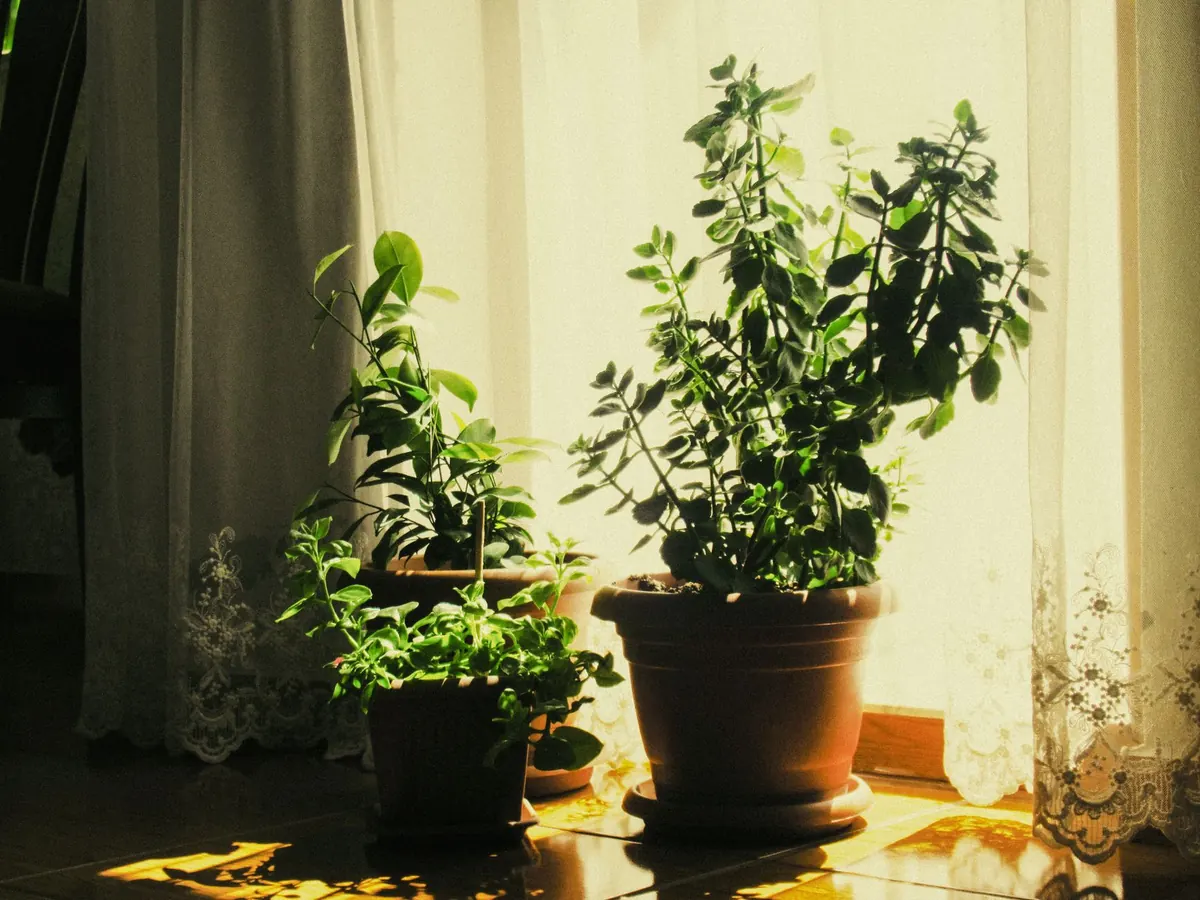
Light drives everything else. A plant in weak light uses less water, so cutting back the watering can without checking the light is treating a symptom. Before you touch the watering can, spend a day noticing where the sun actually lands: check at roughly 10am, 1pm and 3pm. A low autumn sun reaches much further into a room than a high summer one, so a shelf that sat in shade in June may now catch a useful hour or two in the middle of the day. That is free light, and it is worth claiming.
The opposite is also true. North-facing rooms and small windows lose usable light quickly through October and November, and a plant that managed on the edge in September can be struggling by the time the clocks change.
Move plants to the light, not to the heat
When the temperature drops, the instinct is to move plants somewhere warm. Warmth without light is the worst of both worlds: the plant stretches, weakens and drops leaves. Push them towards the glass instead, and keep them a few centimetres clear of it. Leaves pressed against a window can be chilled by cold glass and condensation, and on frosty nights that small gap of air makes a real difference.
If your brightest windowsill sits above a radiator, raise plants on a stand or a shelf above the warm air, or slip a piece of card behind them as a simple heat shield. A cool, bright room suits most houseplants better than a hot, dim one.
The plants worth prioritising
- Succulents, cacti and echeverias: the brightest spot you have, and very little water.
- Variegated plants: they need more light than their plain green cousins to hold on to that patterning.
- Winter-flowering types such as Schlumbergera and poinsettia, which need bright days and genuinely dark nights to set buds. Keep them away from a lamp that stays on until midnight.
- Anything you bought in spring and have not moved since — it has probably outgrown its summer position.
Rearrange the shelves while you are at it
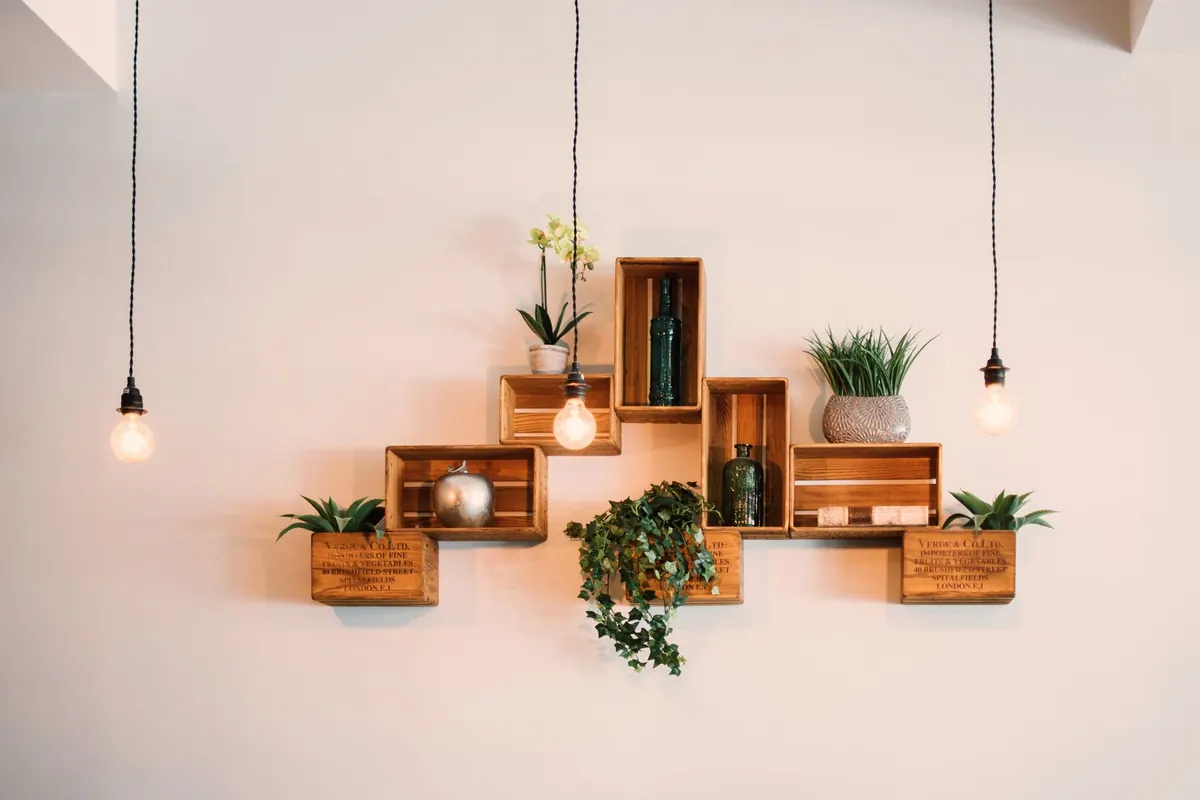
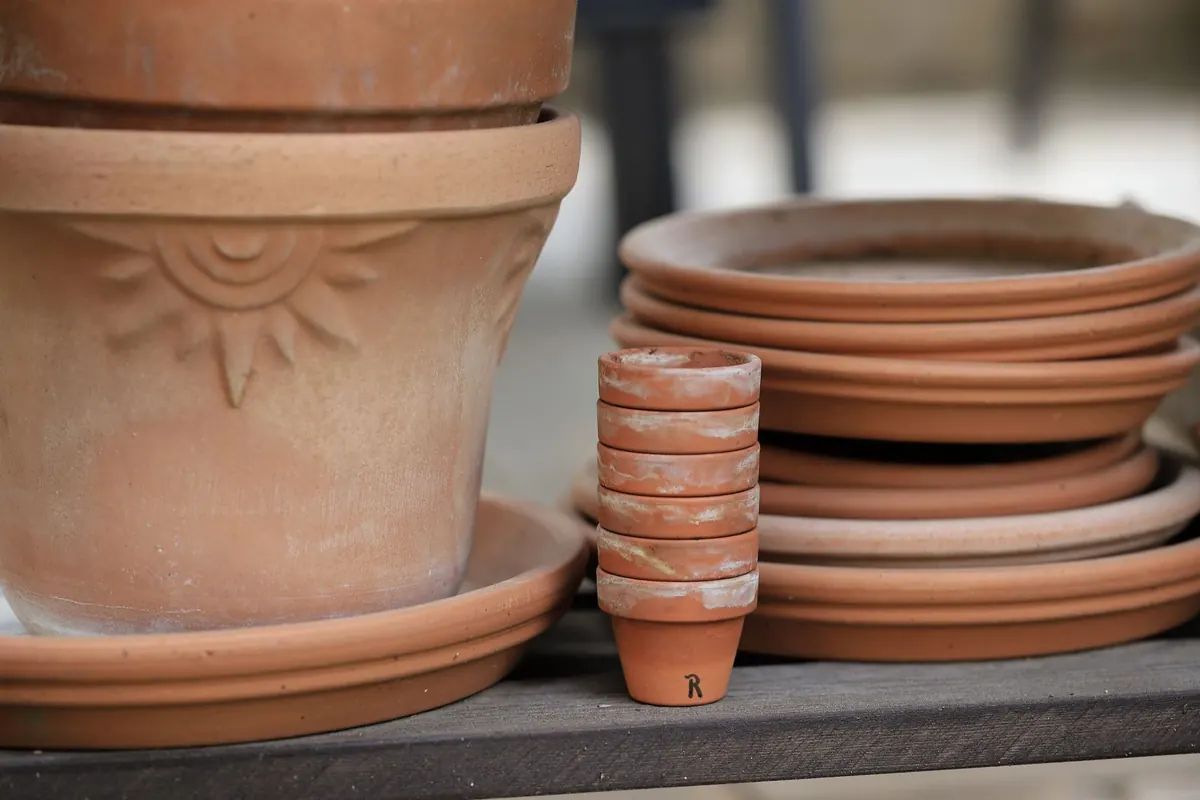
Shelving does the work a windowsill cannot, especially in flats where every ledge is contested. Build each shelf in height order with the tallest plants at the back, so nothing is shading the row in front. Small risers — upturned pots, offcuts of wood, a stack of coasters — lift trailing plants clear of the shelf edge and let light reach the compost.
Then do the swap. Bring sun-lovers down from the top shelf to the front and move the shade-tolerant ones into the middle of the room. A dark corner is a fine place for a plant that asks for little, but it is a poor winter home for a jade plant. Give everything a quarter turn each week, too: growth follows light, and a plant left facing one way for four months will lean hard by spring.
Water less, but check each pot
Watering is behind most autumn plant losses, and the fix is not a schedule. It is a habit of checking. Cooler rooms and slower growth mean compost stays wet for longer, so most plants will want roughly half the water they had in July. Work through them one at a time:
- Lift the pot. A light pot means dry compost; a heavy one means leave it alone.
- Push a finger two to three centimetres into the compost. Water only if it is dry at that depth.
- Empty saucers and cachepots an hour after watering. Standing water rots roots quietly.
- Check that drainage holes are clear before winter, not after.
- Water in the morning where you can, so surplus moisture has the day to move.
One complication: heated rooms dry out fast. A plant beside a radiator may need watering more often in November than it did in August, while one in a cool spare room may go a fortnight. Trust the pot, not the season.
Watch humidity, draughts and pests
Central heating drops humidity, and dry air suits spider mites. Check the undersides of leaves weekly for fine webbing or a speckled, faded look, and rinse the foliage in the sink if you find anything. Grouping plants closely raises the humidity around them, and a tray of pebbles and water beneath a shelf does the same job. Keep plants clear of open doors and sash windows, where cold draughts do more harm than a few degrees of temperature. If fungus gnats start circling, that usually means compost has stayed wet too long — let the top layer dry out and water less often.
Feed less, dust more
Most houseplants are not growing much now, so heavy feeding is wasted effort and can burn roots. Drop fertiliser to quarter strength for anything still pushing out new leaves, and stop altogether for plants that have stalled. The exception is anything under a grow light, which carries on as normal.
Dust is a genuine problem in low light: a film on the leaves blocks the little light there is. Wipe each leaf with a damp cloth, supporting it from underneath with your other hand. Your plants will look better for it, and they will use the winter light far more efficiently.
A one-afternoon autumn reset
- Walk the rooms at 10am, 1pm and 3pm and note where the light falls.
- Move light-hungry plants to the brightest shelf, a few centimetres from the glass.
- Shift shade-tolerant plants into the middle of the room and clear the dark corners.
- Water only the pots that feel light or are dry at two to three centimetres.
- Wipe the leaves, turn each pot a quarter, and check underneath for pests.
- Set a weekly reminder to repeat the check until spring.
None of this takes long, and none of it is complicated. Autumn care is mostly about noticing four things: less sun, colder glass, drier air, slower growth. Adjust for those and your plants will come through winter ready to grow again rather than needing to be replaced.
Photo: marcinjozwiak / Pixabay